 Request a call
A founding-client invitation
It is my honour to invite you to the new advisory service where communication and evidence meet to make facts meaningful in the real world.
Statem is introducing a new offer for businesses in energy, industry, and finance.
We are starting with a small number of founding clients, who get to shape the product with us, work directly with the founder, and contribute to building better energy and industrial communication.
I am delighted to invite you to consider this offer and join our founding clients.
Foresight and decision briefs that critically analyse situations and show what is moving in policy, markets, geopolitics, and stakeholder environments, and what it means for the business.
All our analytical products give you an independent systemic vision that reaches beyond the obvious, reading the narrative, behaviour, social, economic, political, and cross-sectoral forces influencing your commercial and technical worlds.
Positioning review and verification, messaging strategy, content development, outreach, and event support that connect to commercial and reputational objectives.
All our applied communication products are built on in-house depth, analytical capability, and a trusted global network of sector experts. It’s strategic communication with depth that starts and ends with your business objective.
Markets in heavily regulated, politicised, high-stakes sectors move unexpectedly with the economy, policy, prices, and geopolitics. Your team is well informed, but with so many moving pieces it has to choose what it can track closely. This means blind spots always exist and can derail plans, business development work, or prevent you from seeing opportunities where none seemed to exist before.
A foresight brief on a defined topic, scoped in advance with you, built by experienced analysts trained to challenge assumptions and look for the non-obvious. It clarifies complex geopolitical and economic developments connected to your business, uncovers risks and opportunities where you were not looking, and gives you a head start for planning. It also works as new-market entry intelligence and background for meetings and relationship building on the ground.
Supplementary intelligence that finds, unpacks, and reports on what your team cannot track closely, so you see risks before they derail your plans and opportunities while they are still open.
We can also work with your existing data subscriptions and internal inputs, adding the interpretive layer a subscription doesn’t give you: what the developments mean for your business, your decisions, and your message.
Connecting the dots. Analysis and visibility where you need to get a sharper picture.
Communication assets that look and sound right to a peer audience don’t always convert buyer attention or reach the stakeholder groups your business depends on. This means that there is value leaking from work you are already spending time and budget on.
A short diagnostic report on your current communication strategy and tool stack: what works, what doesn’t, and quick-win improvement options.
An independent sector-savvy communication expert review of your current tool stack and approach.
Answering: are your communications assets doing what you intended? Are your position and messages clear, and do they connect to your business objectives? Is your content and outreach strategy getting you closer to your target? Is it unambiguous who your messages are serving?
We start from your defined business objectives, your audience segments, and the 1–3 priority metrics you are tracking this year.
Getting more out of what you already do
Communicating a distinct brand and reputation is difficult, especially for highly technical companies in material industries and commoditised markets. The traditional route, relationships and track record, is a catch-22 for newer providers and new-market entrants: to win the work you need the record, and to build the record you need the work. That slows scaling, investment recovery, and profit growth.
A framework document that outlines your messaging strategy, connects it to your business objective, and provides a clear, simple blueprint to build messages and deliver content that your audience can understand and act on. This step does not build the content yet; it tells you what content to build, what it should answer, and why. This is a step that feeds naturally into the messaging content building system.
Clarity on who you need to address and what they need to know about the company to feel confident as investors, customers, regulators, or partners.
A reusable blueprint to develop consistent messaging that unifies the brand, builds reputation, and earns trust reliably everywhere you go.
Hero positioning confirmed with a prioritised list of the target audiences and their needs that your communications should serve; alignment of your offer positioning and key message areas.
The blueprint before the build, and update, or an expansion
Energy and industrial businesses are experts at solving complex technical problems and running the world’s life-critical systems. Communicating that expertise is a different kind of problem. It requires creative, empathetic writing that translates their technical solutions into information the audience values. A professional content system delivers this translation, so content written by engineers for peers becomes content that buyers, investors, and policymakers stop to read. It cannot be replaced with volume over quality, because putting out more of what does not convert is not changing outcomes.
Original, consistent, content written with intent and backed by evidence to drive your business forward. Your brand’s content library in your own clear voice that delivers your key messages and evidence to the intended desks. Communication that reinforces your place in target markets, builds trust, and gives you a consistent presence that moves you to your business target.
A strategic content pipeline that follows your strategy. We take your key message, audience needs, and targets, and audit what you already have: material inventory, case studies in any form, technical documentation that can be mined, experts who can be interviewed, budget for additional research. From that base we build the content. Mix, volume, and cadence are set together, against your objectives and resources.
What it is not: generic volume for a single channel. Many tactical offers sell post volume that creates a sense of distribution, usually channel specific like LinkedIn. But without a deliberate strategy behind the content, distribution is inefficient and usually ineffective.
We build the strategy first, then the content your audience requires, which then feeds the channels that reach the people who matter for your business.
Turning expertise into proof that serves you for the long term and converts to business
Communication and outreach channels keep multiplying (conferences, associations, stakeholder roundtables, news outlets, social media, search, AI), but your budget doesn’t. It is difficult to know where to invest your budget, your time, and your executives’ time, especially when growing internationally. Misallocated presence is expensive not just in sunk cost, but in being in the events, media, or rooms where your buyers are not, instead of the ones where they are.
Three tiers, from an outlook of options to a full plan with regular reviews, scoped to your needs.
Base option: an annual outlook your team can execute from.
Premium option: the outlook becomes a plan tailored with you for highest value, with a priority calendar of where to show up and publish, the stakeholder groups to consider, and a recommended approach per activity, so the plan adapts when new opportunities appear.
VIP option: bi-monthly check-ins to review and update as new information arises.
An annual outreach opportunities brief: the events, media opportunities, stakeholders, and digital channels that fit your positioning, evaluated for effectiveness, which can then turn into a diversified, prioritised plan with budget and time allocation across the year.
Choosing to be in the rooms that pay
A major conference is one of the most expensive line items on the outreach budget: fees, travel, executive time, plus stand and materials if exhibiting. Most of that value is decided well in advance; by the time the event opens, the prepared teams are ready to go. With dozens of competing priorities, allocating resources for this doesn’t always go as planned, and the risk is a last-minute scramble leaving value on the table.
An event action pack: event objectives tied to your business targets, a prioritised meeting and contact list with the reason and the message for each, preparation for your speaking slot or stand, a pre-event outreach sequence to book meetings before the floor opens, and a post-event follow-up plan that turns conversations into pipeline.
A focused strategy for one specific event, built around your role there, whether speaking, exhibiting, or attending. We define what the event needs to produce for you, identify who will be in the room and who you need to get in front of, and prepare your team to get there. Works standalone for an event already on your calendar, or as the execution arm of reach and presence (05).
Arriving at the big event with a plan to leave with value
01 is the intelligence layer. 02 to 06 are the applied communication and delivery layer.
As a boutique specialist practice, we prioritise the quality of our service and make sure that all clients receive due attention. This is why, with this new offer, we are onboarding only a small number of founding clients across energy, industry, and finance. When the limited seats are claimed, onboarding for 2026 stops.
You work directly with the founder. As the practice grows, that access becomes the exception; for founding clients it stays available.
You benefit from a premium product and attentive service at an introductory founding rate.
Your feedback directly steers how these services develop, and founding clients get first access to what we build next.
We onboard a small number of clients across energy, industry, and finance, so every client gets our full attention and a real say in how the product develops.
We start with a virtual session where you share your feedback and priorities, and we answer your questions. Together we determine the right combination of work, who needs to be involved when, any critical timeline pressures, and the operational details needed to plan the work.
Statem comes back with a delivery plan for you to approve, followed by a deposit, and the work starts.
Your time is your most precious asset; we treat it with care and move fast, so you can too.
Our approach, expertise, and dedication to supporting the sectors that run the engines of the world.
We work at the point where four things that usually sit in separate departments meet: narrative, operational reality, policy, and markets. The fifth element we always consider in connecting all four is people, because behaviours don’t always follow econometric models, but always impact the outcome. This way we can help our clients see through information bubbles and avoid pitfalls of group biases, the blind spots we all have. We know how to apply analytical depth in human environments, where levels of technical expertise differ and, more importantly, so do motivations.
Statem is a founder-led growing boutique practice with a global network of trusted specialists and partners.
Having spent 15 years in the tough seats of policymaking, advocacy, strategic communications, and analysis, I learned to look at the world through different lenses. I saw a pattern of broken information flow and communication failure that kept reinforcing the same distrust, missed opportunities, regulatory drag, and hostile narratives that stifle progress for business and society. Statem exists to help fix this problem by balancing depth with clarity, and honesty with empathy.

Gastech — outreach
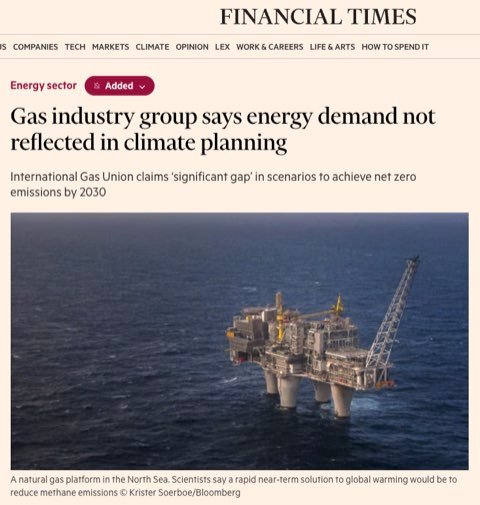
Financial Times — exclusive coverage for client
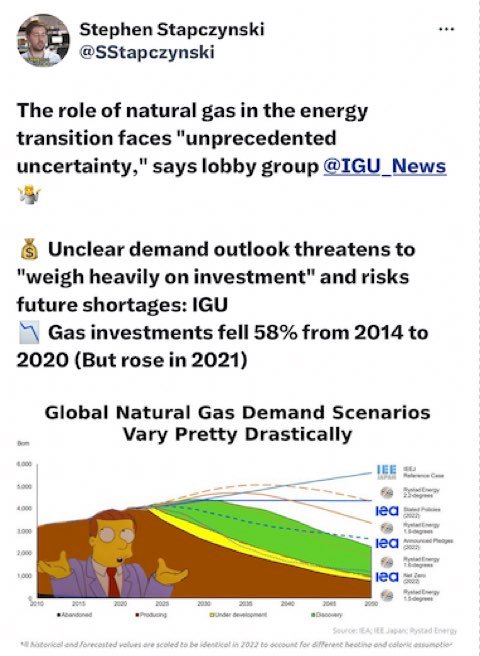
X — top media voice posting client’s key message
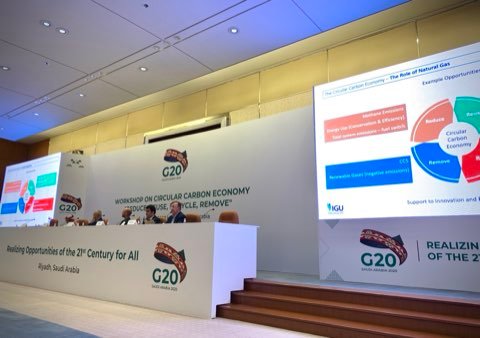
G20 — dedicated paper and presentation
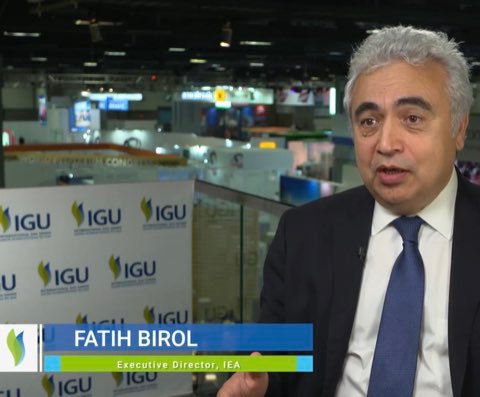
WGC — content production and campaigns delivery
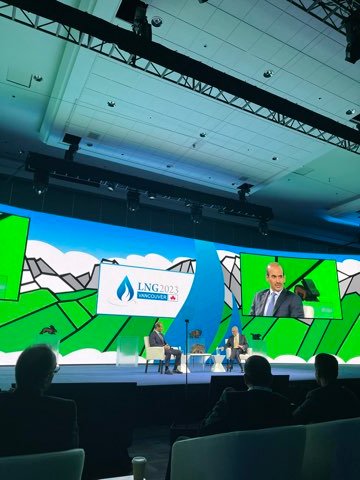
LNG2023 — communications direction, content, media, messaging
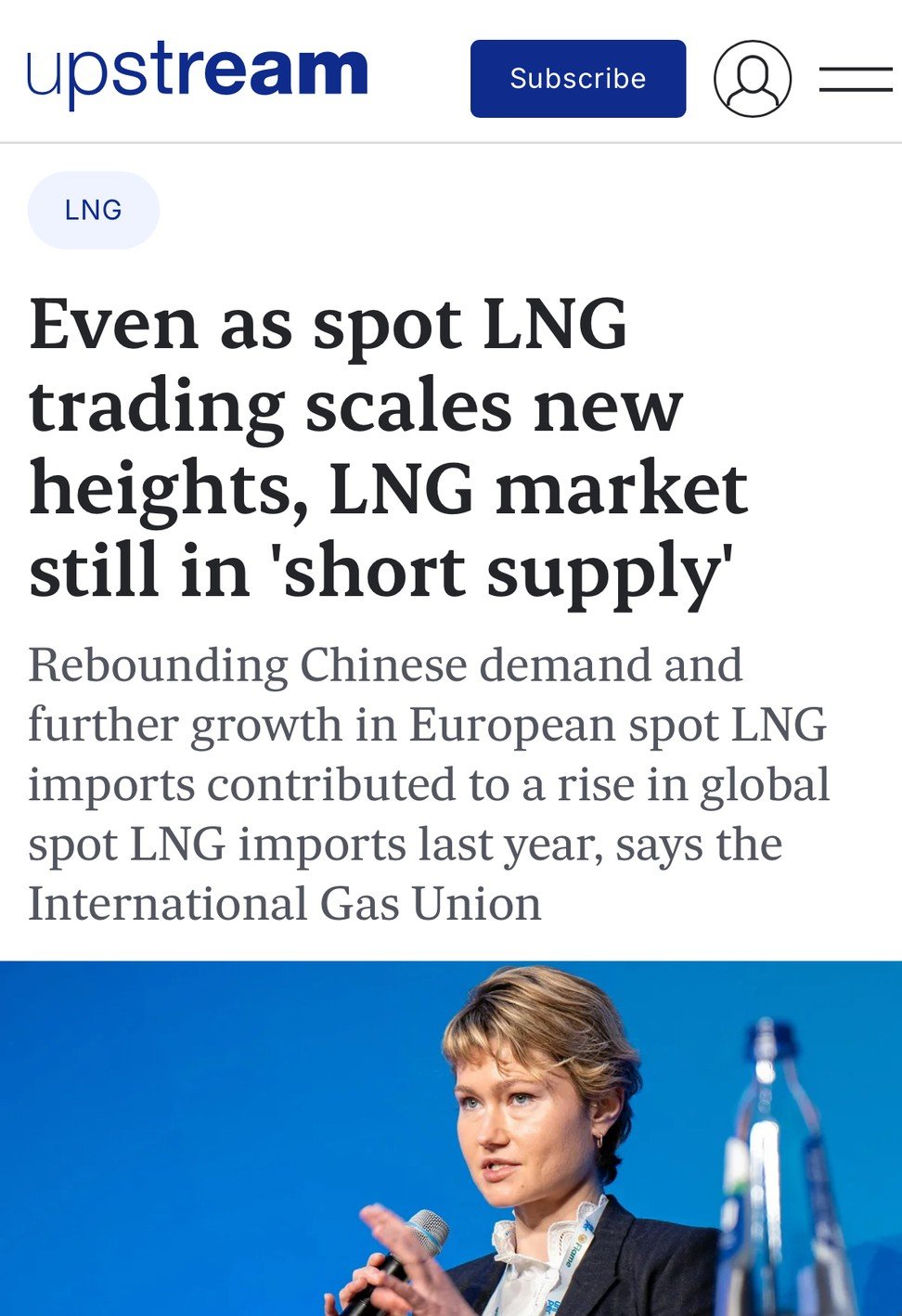
Upstream — front page coverage of release and event presence
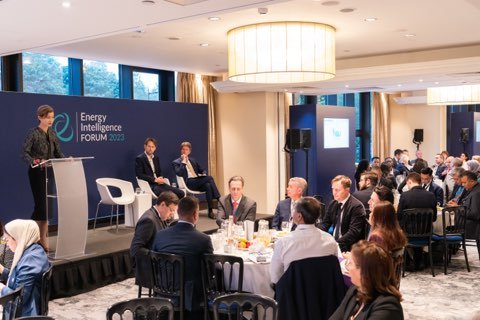
Energy Intelligence Forum — special event, report, presentation, campaign
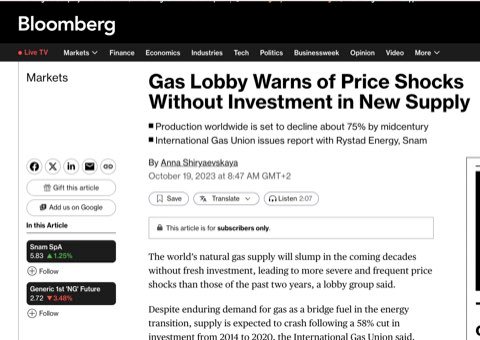
Bloomberg — coverage
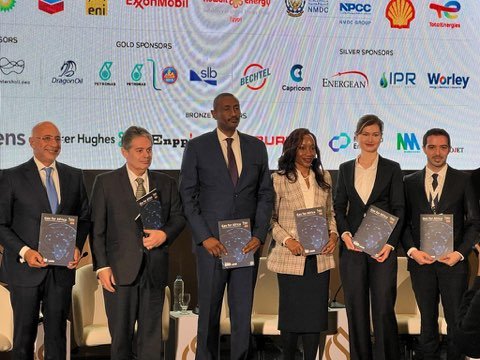
EGYPES — report, panel, presentation, campaign

MSGBC — Senegal Minister
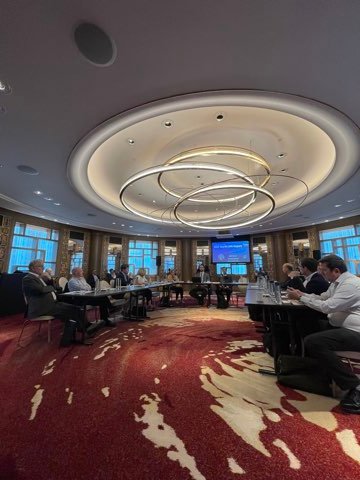
Press briefing — report, release, campaign, planning
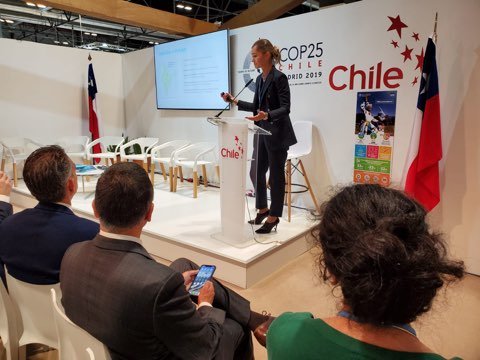
COP25 — side event, report and presentation
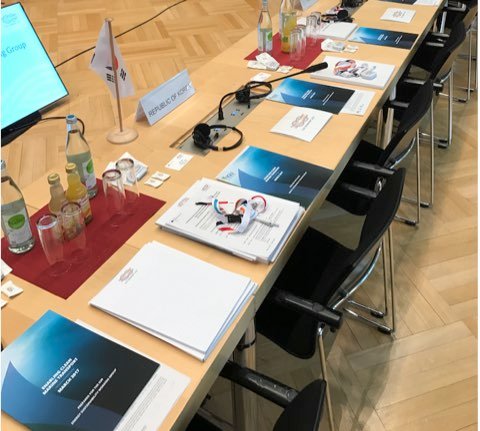
G20 — special report and presentation
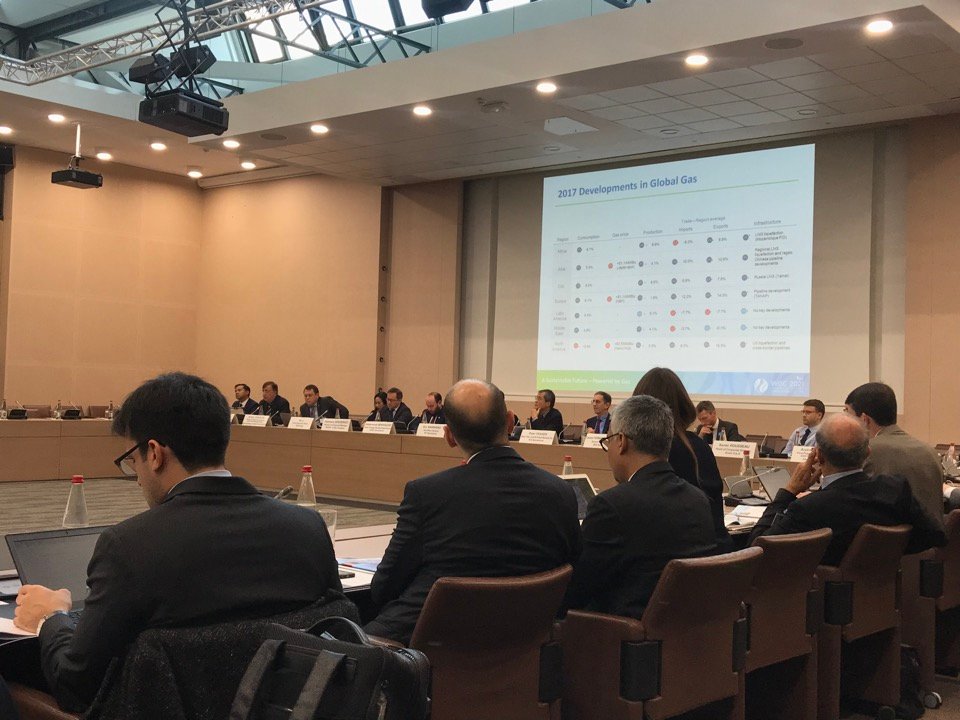
IEA — report and presentation

LNG2019 — content, key messages, media, report, campaign
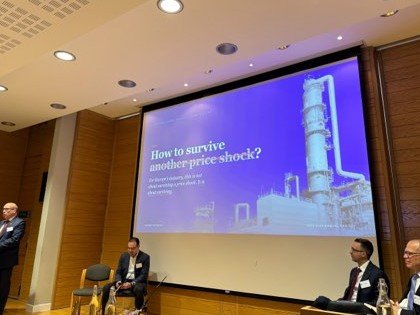
OIES Annual Gas Day Executive Presentation — research, content, design
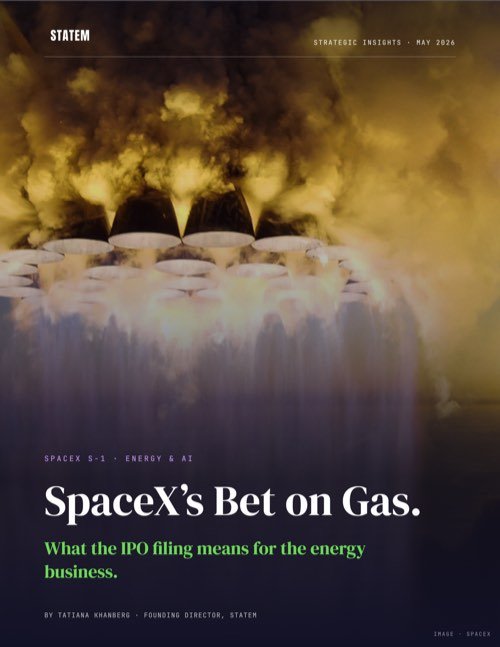
SpaceX’s bet on gas — pre-IPO strategic insights for clients

The cost of distrust — EU Methane Regulation deadlock assessment
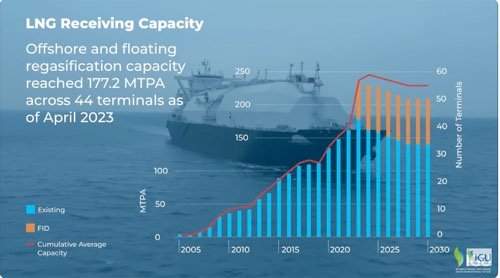
IGU World LNG Report summary — 26K YouTube views
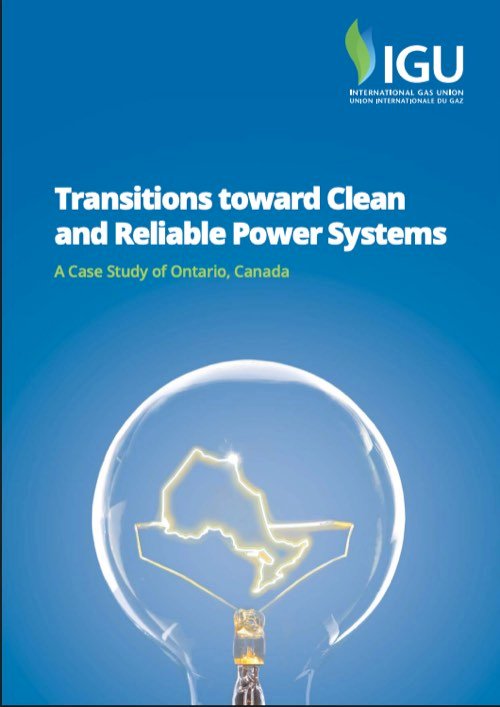
Transitions toward Clean and Reliable Power Systems — full report production for IGU
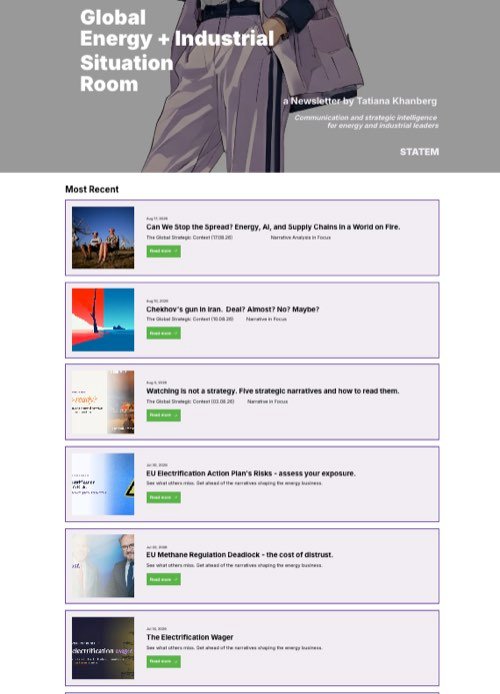
Global Energy + Industrial Situation Room — weekly newsletter

EU Electrification Action Plan — risk analysis for stakeholders
The Natural Gas Industry Methane Emissions Challenge — full report production for IGU
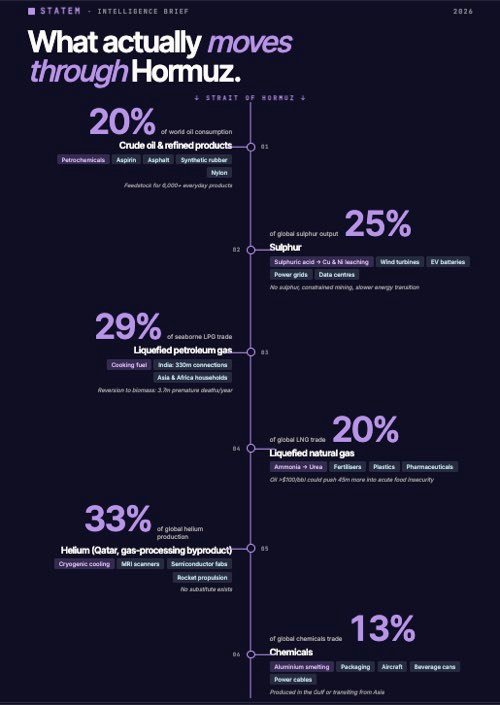
The invisible supply chains — research brief on Hormuz commodities impact
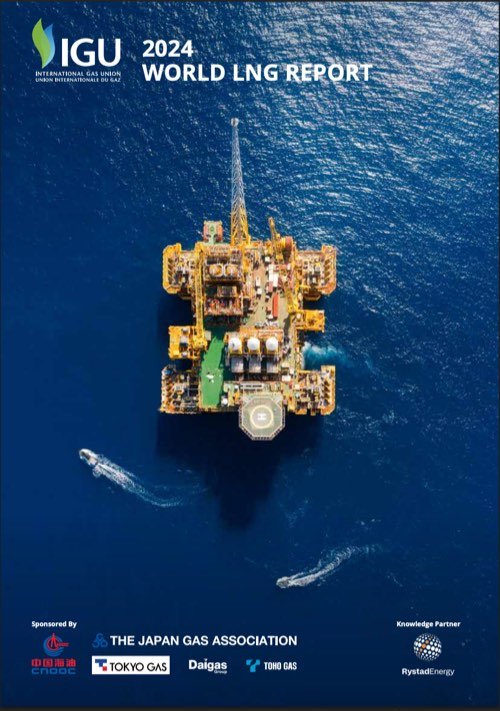
IGU World LNG Report — annual flagship series research and editorial direction, publishing

IGU Global Gas Report — annual flagship series research and editorial direction, publishing, incl. first edition
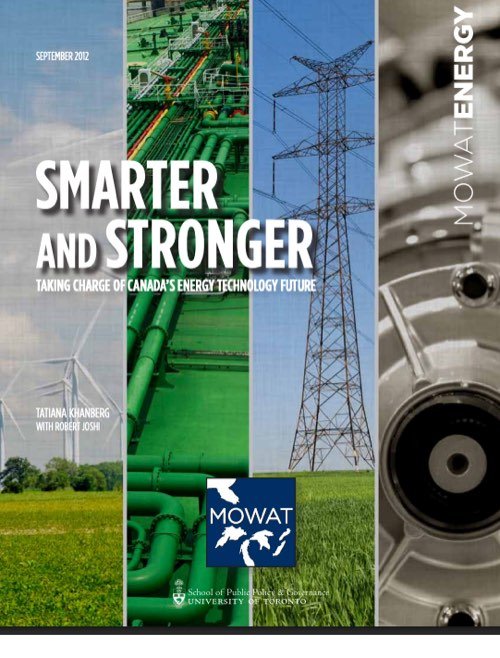
Smarter and Stronger — Mowat Energy research publication, lead author